
Meetups: Adapting the UX Process to Fit the Problem

A UX Management Case Study

Mercari Logo

UX Design Manager

Mobile App + Web

Five-week execution

Overview

When business priorities compressed our project timeline, I led my UX team from indecision to action, driving consensus for an execution strategy that turned our feature launch into a valuable product experiment.

The Challenge

We estimated 13 weeks to research, design, validate and deliver. We were allotted five. We needed to move quickly, but without research it was unclear where to focus or how broadly to scope. Delay risked on-time delivery.

What I Did

I rallied my team behind a build-to-learn execution strategy. Evaluative research tested assumptions, validated decisions, and drove confidence in our direction. Design system components, patterns and product infrastructure kept risk low.

Where We Landed

  • Delivered Meetups in five weeks. Outperformed engagement goal by ~20%.
  • Expanded our UX toolkit with a methodology that fast-tracked learning.
  • Validated a design strategy that keeps exploration costs and investment risk low.
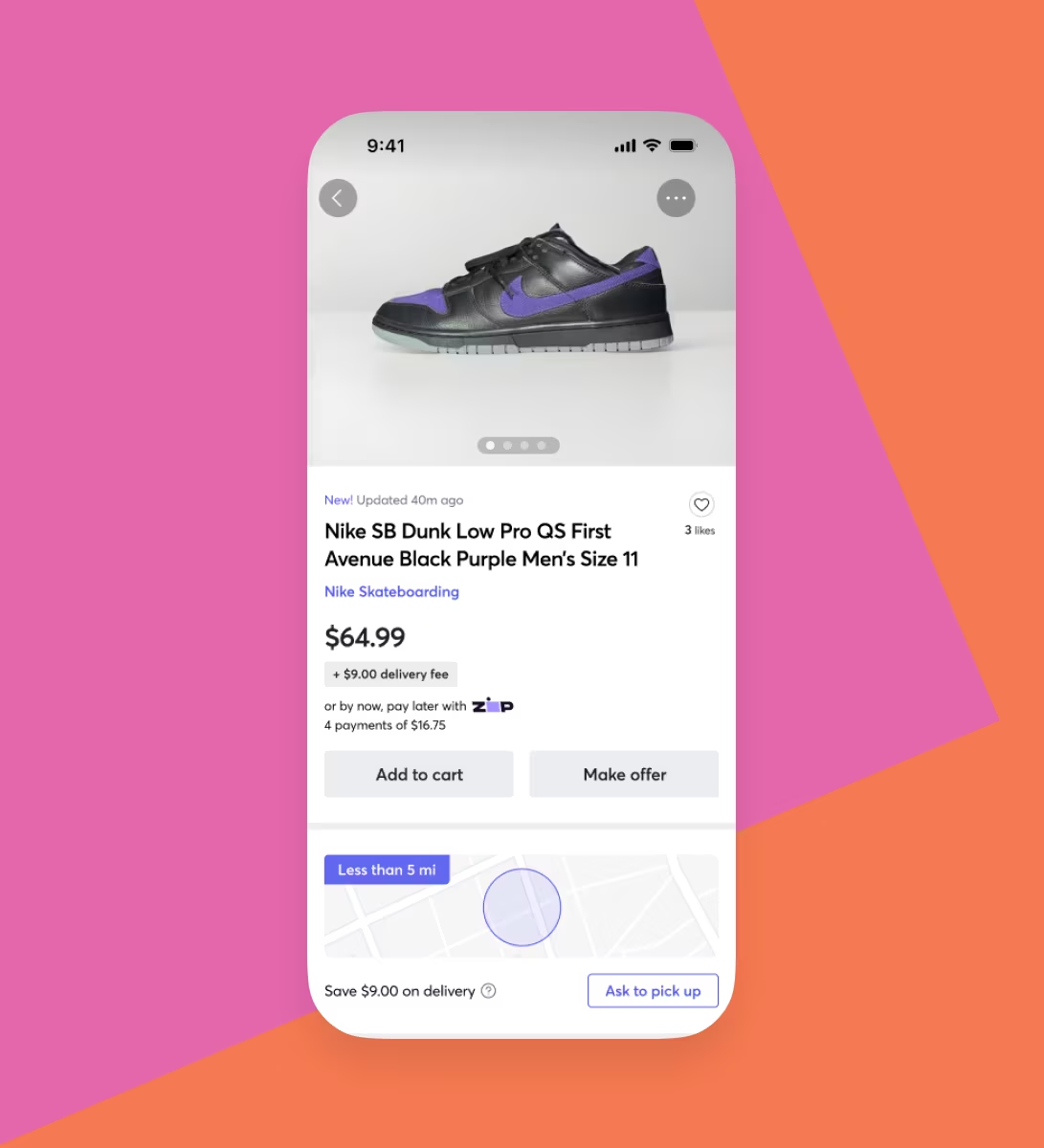
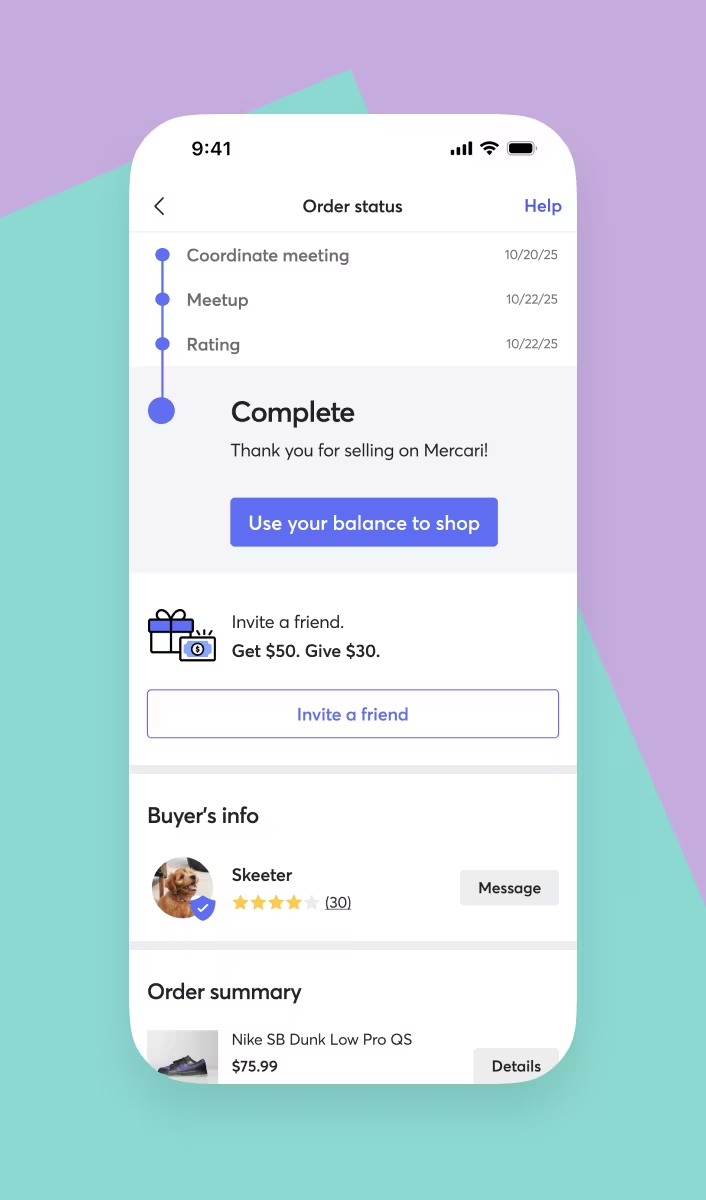
Meet Up. Save On Delivery.

How We Got There

Mercari was built for contact-free buying and selling. Items needed to go through our shipping system to protect transactions and ensure fee collection. Selling off-app was restricted because it cut Mercari out of the transaction entirely, meaning lost revenue.

What Changed

Transactions trended upward despite cross-posting on OfferUp and Facebook Marketplace where in-person cash sales were encouraged. Mercari lifted restrictions on face-to-face exchanges to compete. Protection incentives through our payment system ensured fee collection.

Why Now

Investors were hungry for a win and Meetups seemed like a strong bet. A board meeting on the horizon left a short runway to design, develop and ship in time to report meaningful performance data. That left UX only five weeks to deliver.

The Challenge

I proposed a build-to-learn execution strategy, but faced weak buy-in. My team was hesitant to proceed without the rigor that typically informs UX decisions.

What I Did

  1. Reframed the OKR to reshape our understanding of the project goal.
  2. Clarified how building-to-learn reduces investment risk.
  3. Capped delivery milestones with user interviews to learn along the way.

Where We Landed

Strong team support for a build-to-learn approach. Reframing shifted our perspective of the problem and predictable checkpoints meant direct insights to drive direction.

Reframing The Goal

Organizational Key Result (OKR)

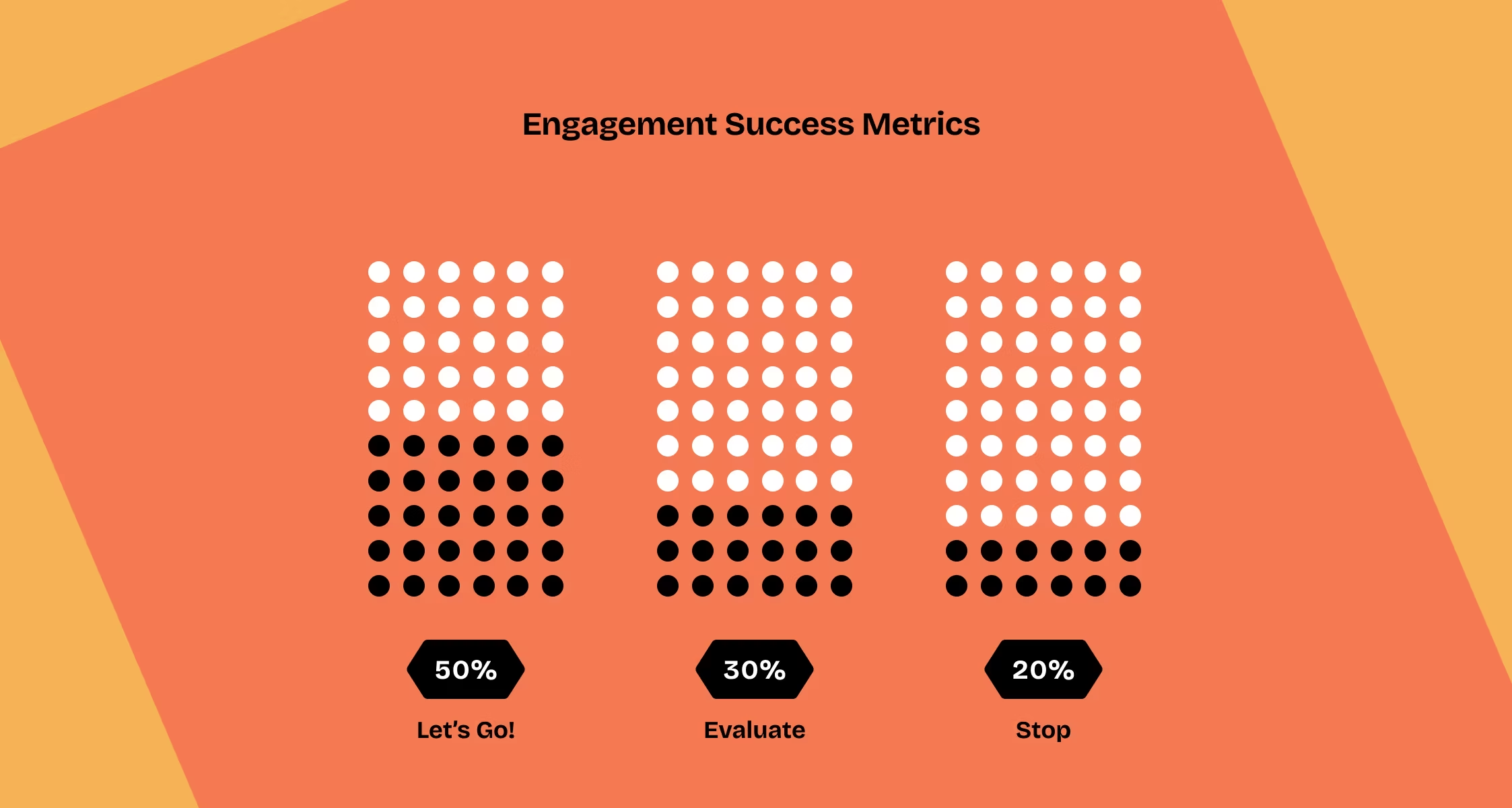
At least 50% of daily active users view one meetup-eligible item per session

Goal Before

Design a Meetups experience that results in a 50% DAU engagement rate.

Goal Reframed

Enable in-person transactions to evaluate demand against a 50% DAU engagement rate.

Why It Worked

Our original goal was too broad for the five-week timeframe. Our new goal narrowed focus on enabling in-person transactions to measure demand. That transformed Meetups from a feature delivery into a research vehicle and relieved pressure to deliver a fully-polished end state.

Build-to-Learn Risk Management

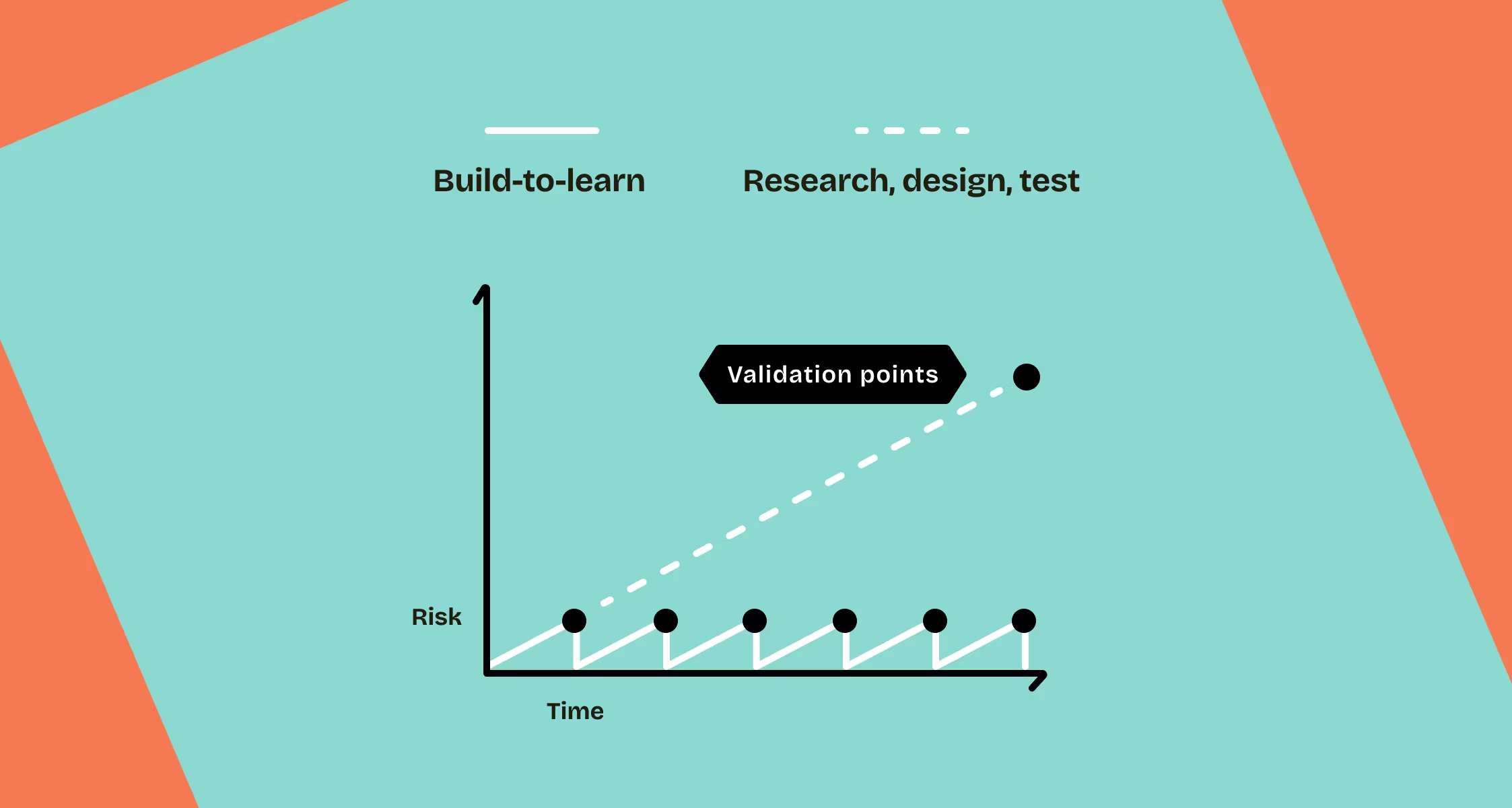
I contrasted the investment risks associated with our default research-driven UX process and a build-to-learn approach.

Default UX Process
(Research, Design, Test)

Front-loads research and design investment in an untested feature. Learnings arrive late, after costs have been sunk.

Build-to-Learn
(Design, Test, Repeat)

Regular validation points fast track learning to inform next steps. Signals arrive early, keeping direction flexible and risk low.

Why It Worked

  1. My team recognized the risk-reduction strategy behind building-to-learn.
  2. Predictable validation points meant strategic opportunities to learn directly from our users.

The Execution

Build-to-Learn Guiding Principles

  1. Initiate design with safe assumptions that must be true for the project to succeed.
  2. Prioritize existing design system components and patterns over net new.
  3. Keep designs simple and lightweight to avoid sweeping infrastructure changes.
  4. Gather early insights to validate ideas, bolster confidence and inform next steps.

Design Began With Safe Assumptions

We strarted with requirements that had to be met for Meetups to be viable.

What We Used

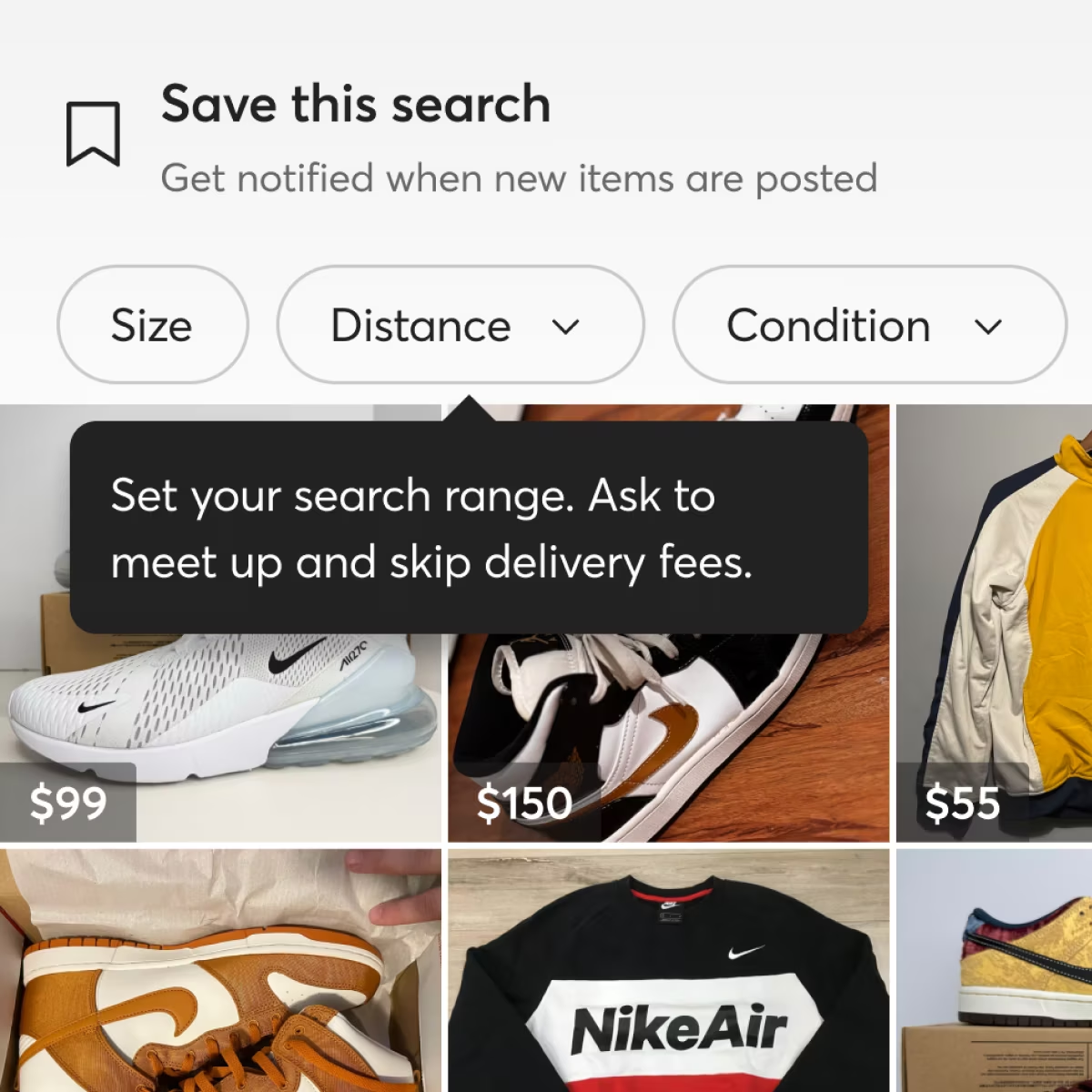
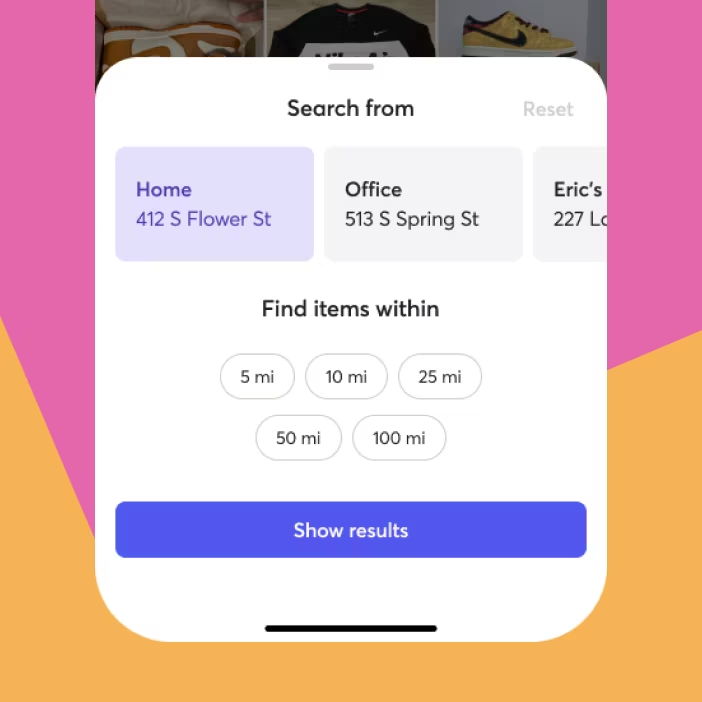
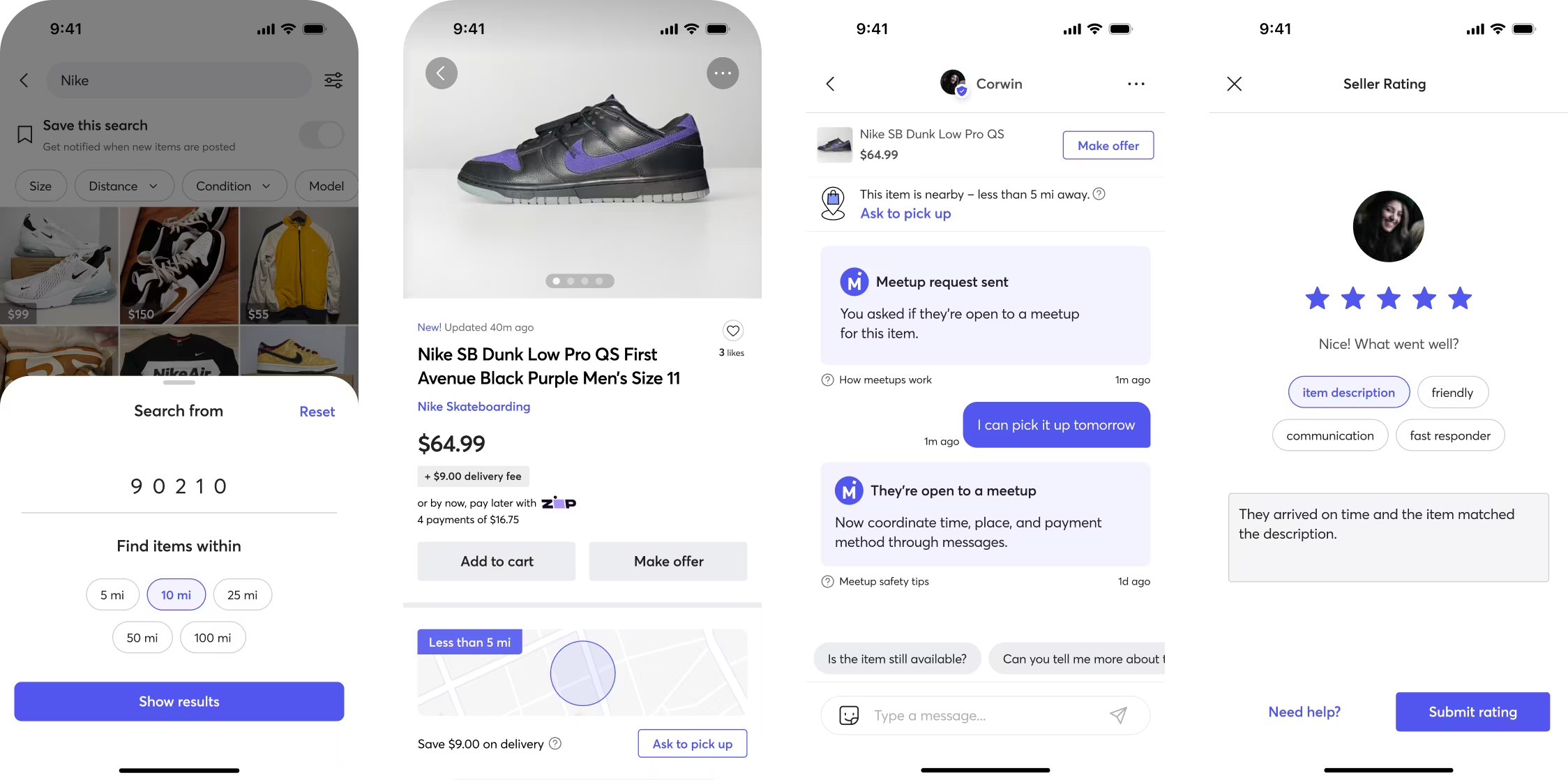
Design system components, architectural patterns and search logic to enable local item discovery.

Why It Mattered

Speed. We solved low-risk problems quckly with on off-the-shelf product infrastructure.

Research Guardrails

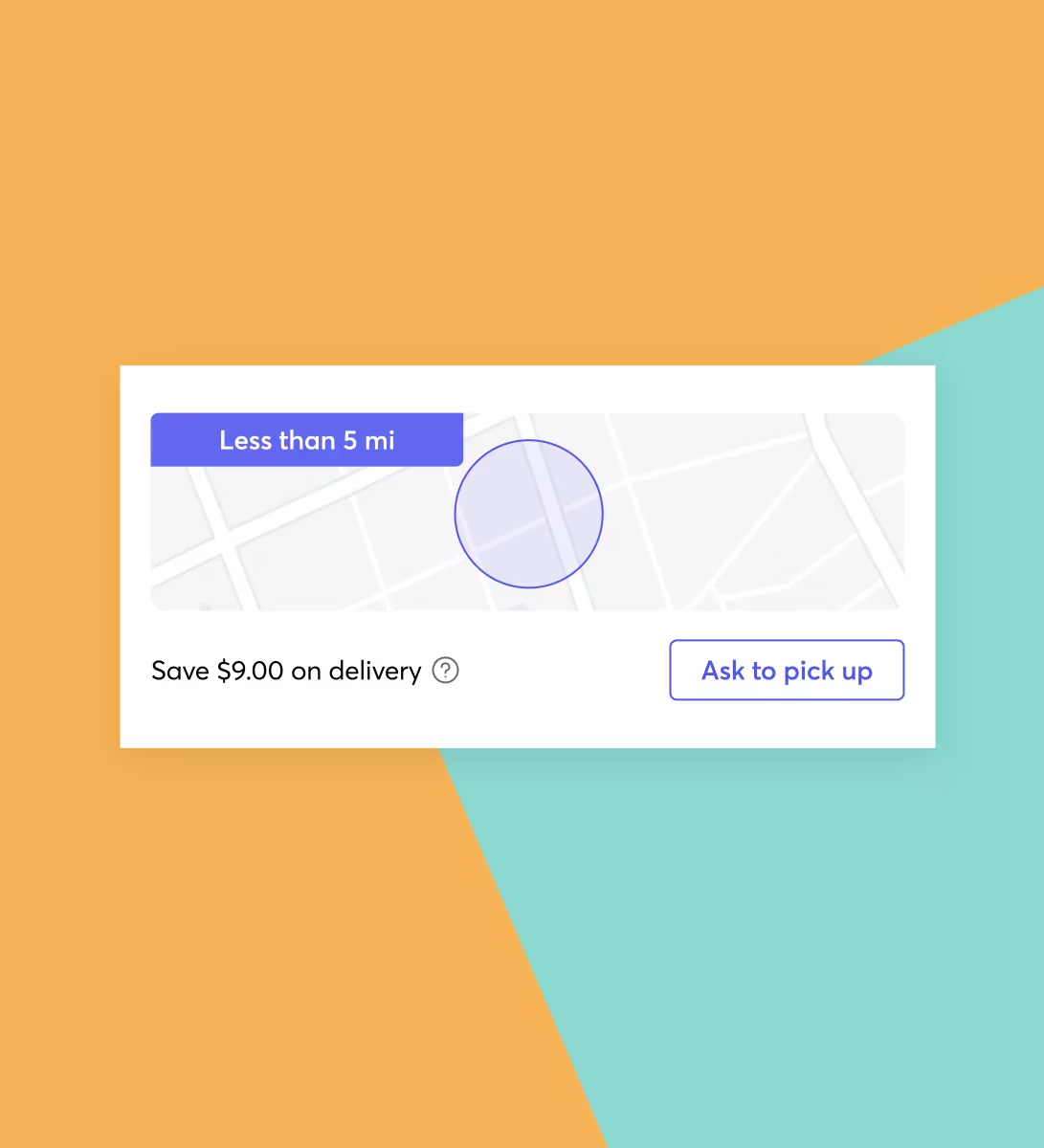
Debate over map functionality split the team. Insights brought us back together.

How We Decided

We tested maps in low-fidelity layouts with users. We learned functionality was a low priority for our context, so we stuck with the simple static solution.

Why It Mattered

Regular user feedback provided early signals to collectively distinguish between high-value design solutions and low-value distractions.

Leveraging Product Systems

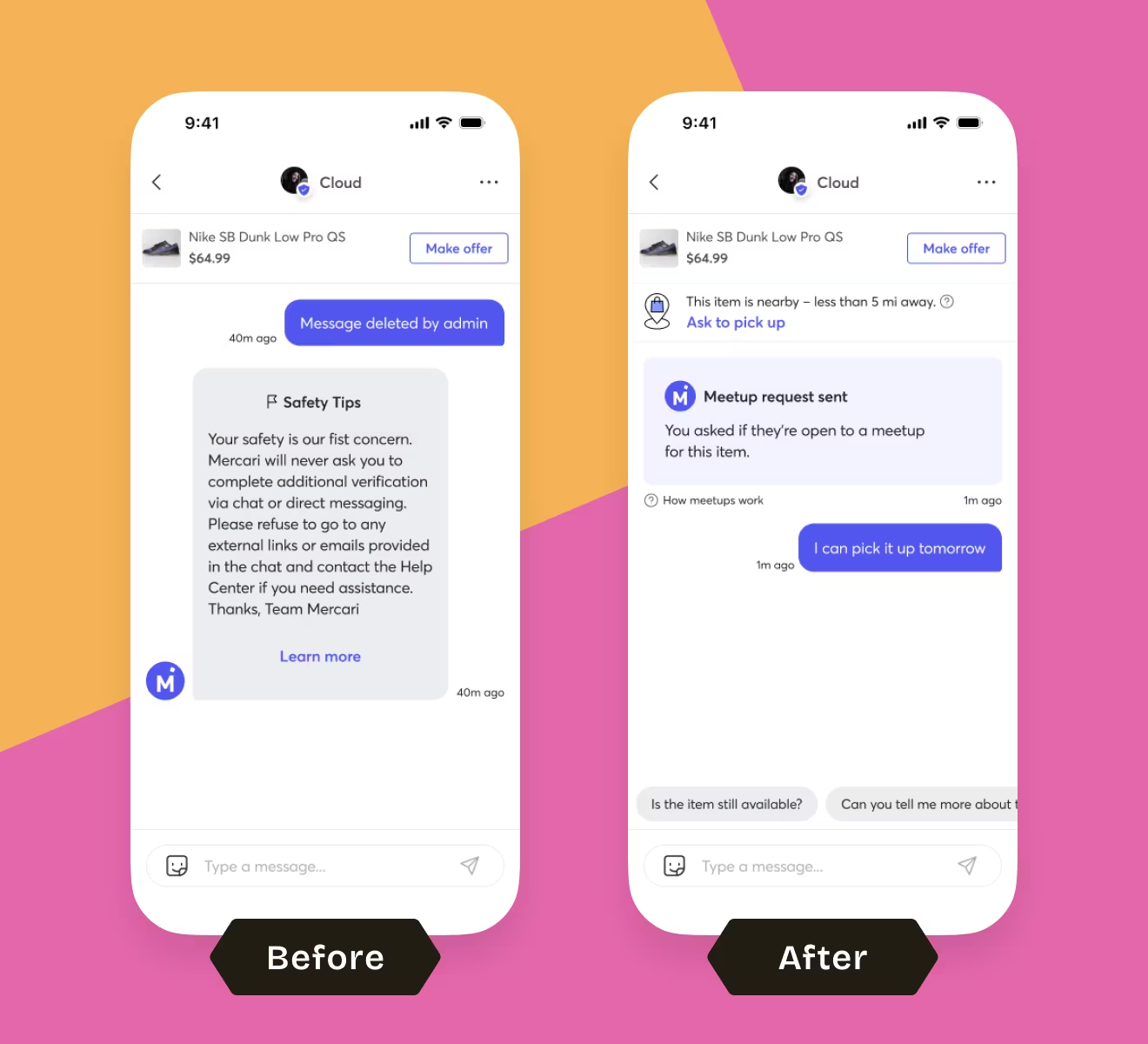
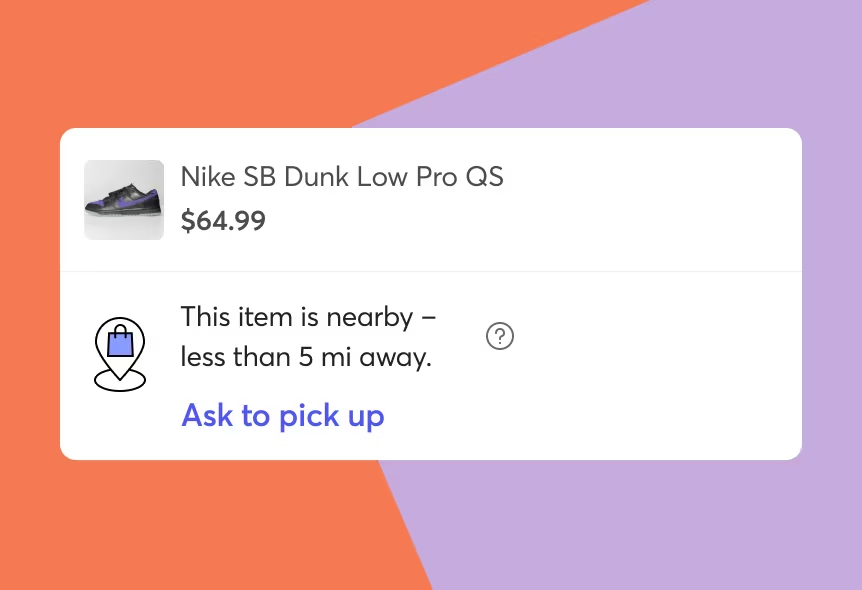
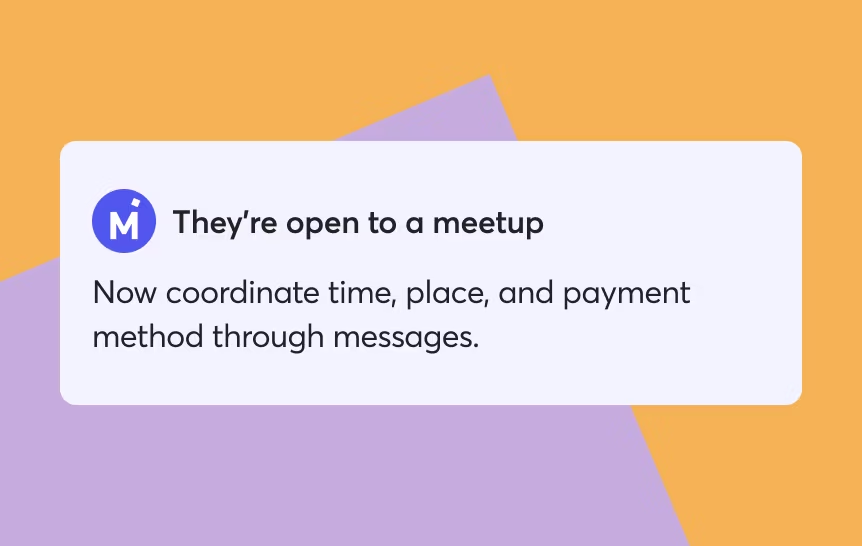
We used internal messaging to onboard users and guide their Meetup experience. Insights from real-life scenarios exposed experience gaps.

What We Did

Redesigned moderation flows and introduced modular components into chats to guide the experience.

Why It Mattered

Chat provided insight into how users actually coordinated their meetup. That helped us decide what to prioritize next.

Balancing Speed With Product Integrity

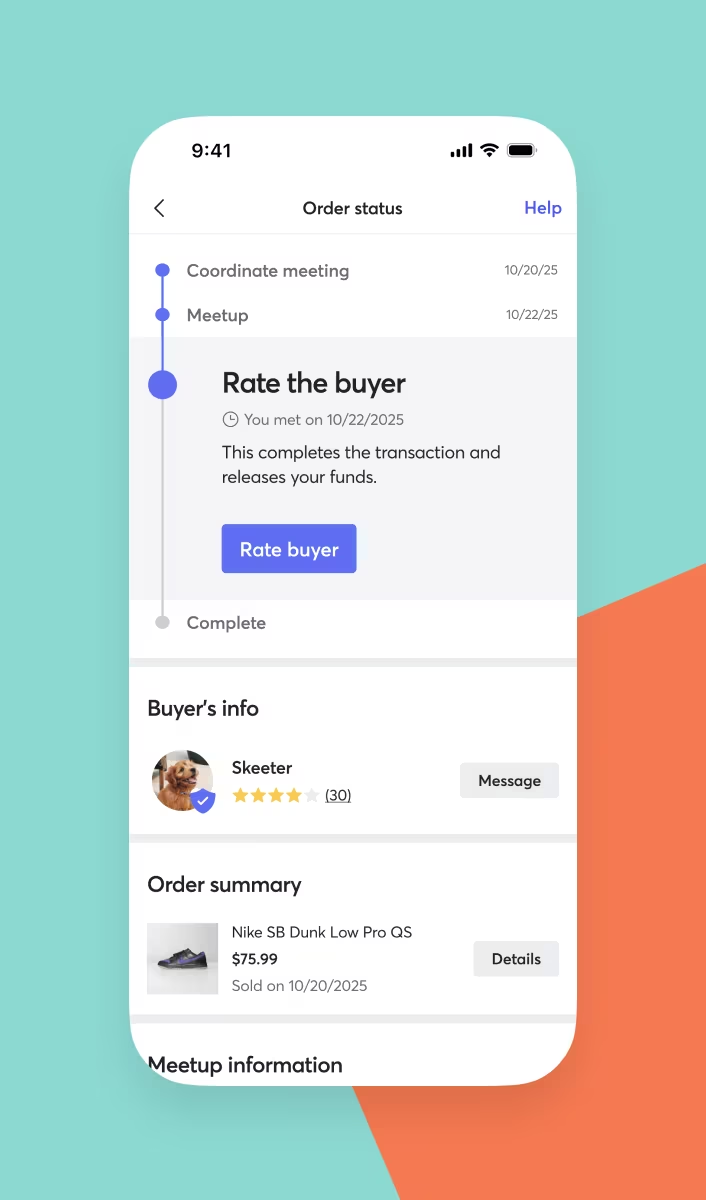
We layered payment into the existing transaction flow to avoid changes to the core experience.

Approach

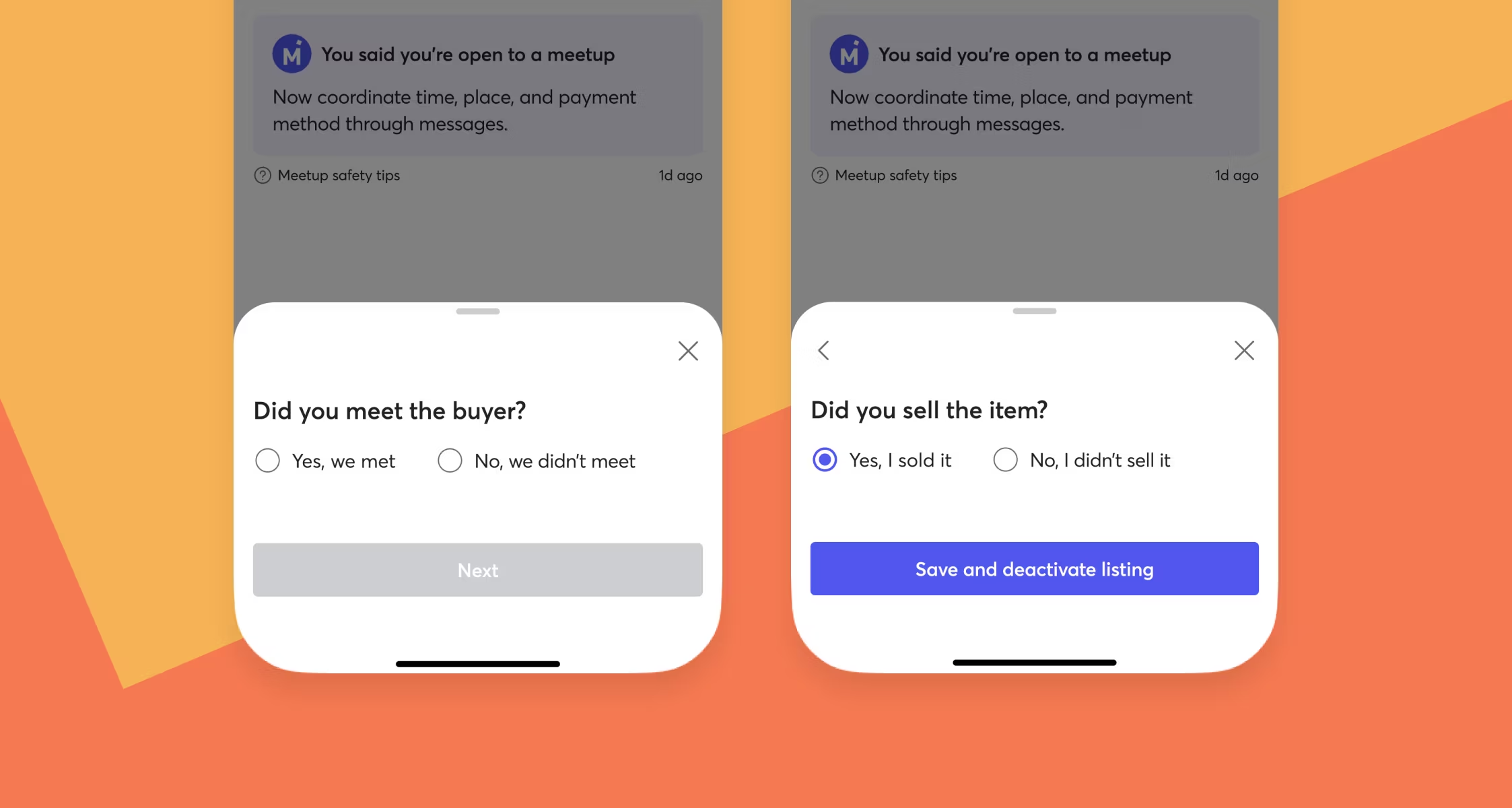
Designed a simple two-step form to funnel users through our standard transaction flow to close the sale.

Why It Mattered

Payment through our system ensured fee colleciton and maintained the core experience regardless of shipping or delivery method.

Where We Landed

Early results validated user demand and secured commitment for further investment.

Performance

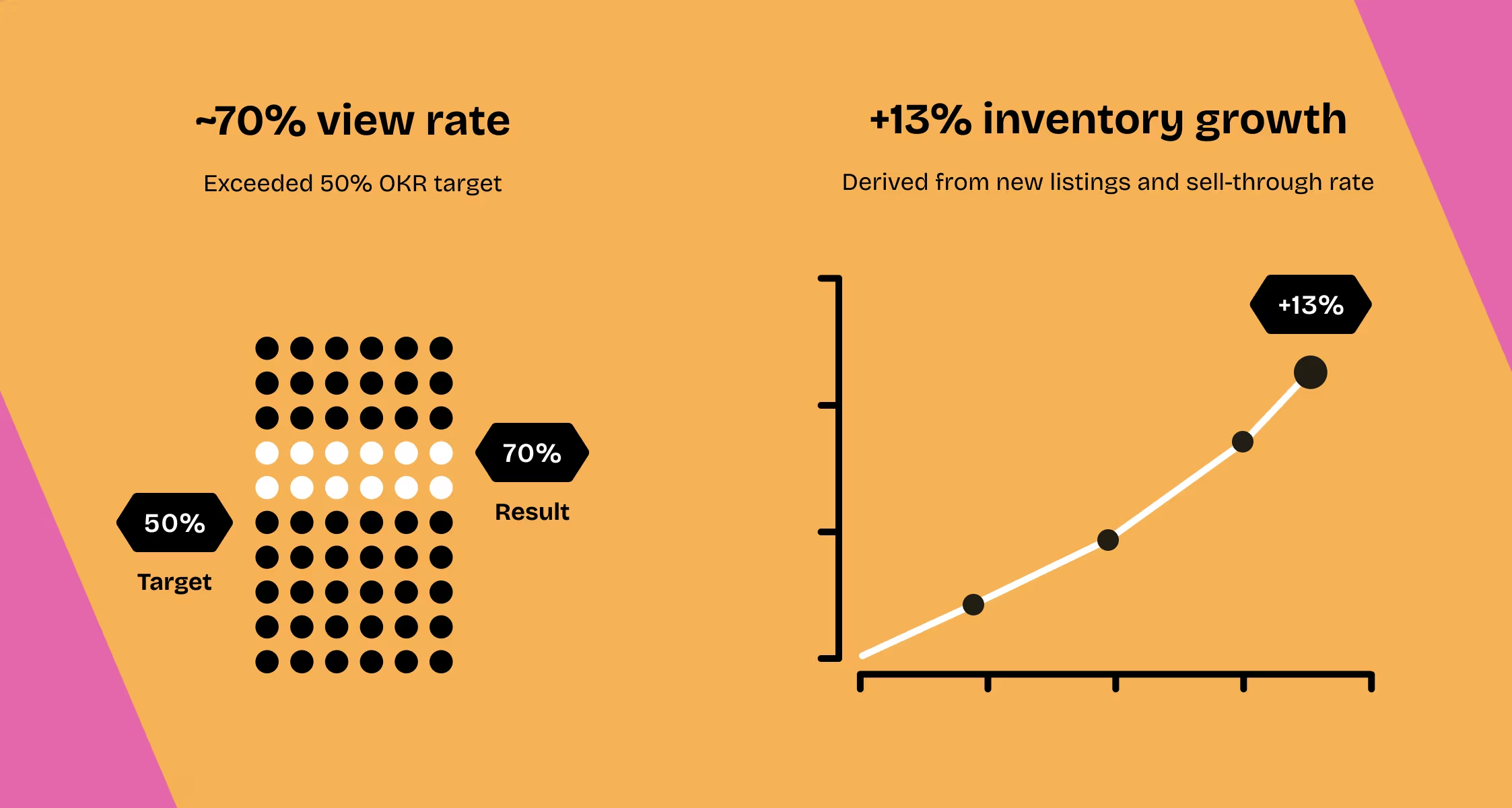
  • Exceeded OKR engagement goal by +20%.
  • Increased test market inventory by +13%.
  • Increased sell-through rate for large bulky items ~33%.
  • 12% increase in Gross Merchandise Volume (GMV) forecasted.

Guardrails

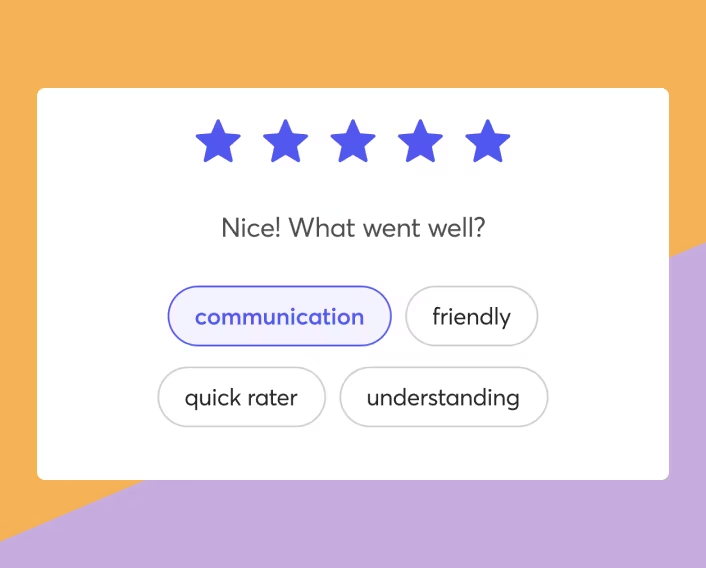
  • Maintained positive user feedback on the core listing/purchase flow.
  • Strong in-app engagement through messaging to coordinate Meetups.
  • No increase in scam reports or safety incidents related to Meetups.

Leadership And Team

We validated a build-to-learn UX approach as way to keep exploration costs and development risks low. Shifting perspective on the problem expanded our strategic UX tool kit and fast-tracked insight into the people we design for.

Takeaways

01

To solve a tough problem, reframe it

How we define a problem determines the solutions we can see. By reframing Meetups, we saw possibilities our original framing obstructed and arrived at something more valuable than the brief we originally scoped.

02

Know when your process becomes an obstacle

Best practices exist for good reasons. Applying them rigidly can be its own kind of failure. I helped my team recognize that our standard UX process would have slowed us down and cost us signal we could get faster by studying existing user behavior instead.

03

Prioritize the most valuable questions

Not everything requires testing. Uncertainty falls by degrees. Knowing what you need to learn and finding the lightest way to learn it is its own design skill. We got what we needed without the overhead, and the result was better for it.

Available For Hire

Ready to level up your next project? Let's talk.

steven@stevenwoo.com